
15 Essential Tools to Revolutionize Your Child’s Space for Accelerated Growth and Learning
Imagine your child’s room as a quiet guide, shaping their mind just like a teacher does in school. That space isn’t just for toys and clothes. It sparks ideas, builds skills, and fuels curiosity in ways you might not expect. Studies from child development experts show that kids in enriched environments learn faster, with up to 20% better focus and problem-solving by age five.
In this guide, we explore 15 key tools to transform your kid’s area into a hub for quick growth and fun learning. From hands-on blocks to simple tech aids, these picks help with motor skills, reading, math, focus, and real-life tasks. You’ll see how each one fits into daily play to boost their brainpower naturally.
Foundations of Fine Motor Skills and Sensory Integration
Early hand skills lay the groundwork for everything from writing letters to tying shoes. Tools here sharpen those abilities while letting kids explore touch and movement. They make learning feel like play, not work.
High-Quality Building Blocks (e.g., Wooden or Magnetic Sets)
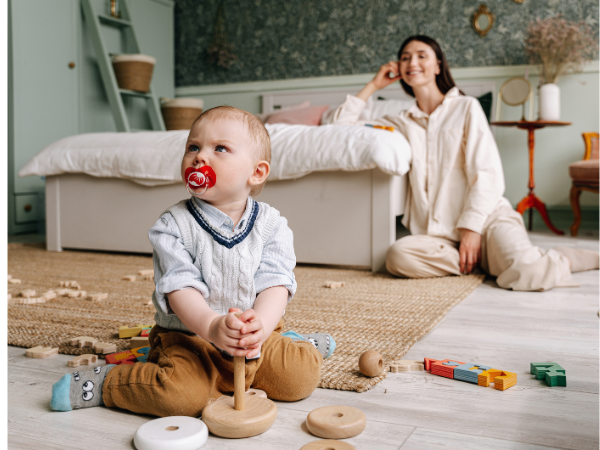
Wooden or magnetic blocks let kids stack towers and create wild shapes. These open-ended toys build spatial smarts and teach trial-and-error without rules. Kids who play with them often solve puzzles quicker, as research from the American Academy of Pediatrics notes.
Pick sets in natural wood for a warm feel, or magnets that snap together easily. Rotate the blocks every few weeks to keep things fresh—maybe add cars one month or animals the next. Watch your child gain confidence as their structures grow taller and more stable.
This simple tool turns downtime into a lesson in balance and planning. It’s perfect for ages two and up, and it lasts for years.
Tactile Exploration Kits (Sand, Water, or Sensory Bins)
Sensory bins filled with sand, water, or rice invite kids to dig, pour, and feel textures. These setups calm nerves and build grip strength for holding pencils later. Experts say sensory play cuts anxiety and boosts brain connections by 15% in young toddlers.
Use safe, natural items like smooth stones or soft fabrics inside clear plastic tubs. Add scoops or funnels for extra challenge. On rainy days, it’s a mess-free way to keep little hands busy and minds alert.
Your child will love hiding treasures in the mix, which sparks questions like “Where did it go?” That curiosity drives deeper learning.
Art Easels and Varied Mediums
An easel with big paper lets kids scribble freely, working big arm muscles before small finger ones. Thick crayons, charcoal sticks, and washable paints encourage bold strokes and color mixing. This setup helps with coordination and lets emotions flow through creation.
Set it up at kid height for easy reach, and include smocks to skip cleanup stress. Kids using art tools like these show better fine motor gains, per early education studies. It’s not just fun—it’s a step toward neat handwriting.
Think of the easel as a blank canvas for their imagination. Over time, those wild drawings turn into stories they can share.
Promoting Literacy and Language Acquisition
Words and stories shape how kids think and talk. Tools in this area make books and sounds exciting, turning passive listeners into eager speakers. You’ll notice their vocabulary explode with the right setup.
A Dedicated, Accessible Book Nook
Create a cozy corner with low shelves showing book covers face out. This easy access draws kids in, making reading a habit rather than a chore. A study from the National Literacy Trust found that kids with home book nooks read 10 times more by kindergarten.
Add soft cushions or pillows for comfort during story time. Mix picture books with simple chapter ones to match their age. Front-facing displays help them pick favorites, building love for pages early.
What if your space became their go-to spot for adventure? It does, with just a few shelves and the right picks.
Phonetic Sound Walls or Letter Manipulatives
Magnetic letters or foam shapes on a wall link sounds to letters hands-on. Kids move them around to form words, grasping phonics better than staring at charts. This method speeds reading skills, with gains seen in just weeks from play-based practice.
Display vowels in one spot and consonants nearby for clear patterns. Use them for games like sound hunts in books. It’s a step up from flashcards, making abstract ideas feel real.
Your little one will sound out “cat” on their own soon. That “aha” moment builds lasting confidence in language.
Storytelling Props and Puppets
Puppets, fabric backdrops, and toy characters fuel made-up tales. Kids act out sequences, practicing order and expression. Role-play like this strengthens story recall, key for school success, as child psychologists highlight.
Keep props in a basket for quick grab-and-go fun. Simple items like finger puppets or stuffed animals work best. Encourage them to retell favorites, weaving in new twists.
Picture your child directing their own show. It sharpens narrative skills while boosting empathy through character voices.
Cultivating Logical Reasoning and Mathematical Concepts
Math starts with touch, not numbers on paper. These tools introduce shapes, counts, and logic through games kids crave. Hands-on math makes concepts stick without drills.
Pattern Blocks and Fraction Tiles
Colorful blocks in shapes like triangles and hexagons let kids fit patterns and see fractions. They learn parts make wholes, grasping geometry early. Tools like these cut math anxiety later, with studies showing 25% better scores in spatial tasks.
Store them in divided trays for sorting practice. Start with copycat patterns, then free builds. It’s quiet play that sneaks in big ideas.
How does a half-circle fit a square? Kids figure it out, building brain pathways for algebra down the road.
STEM-Focused Construction Kits (Coding Robots for Beginners)
Simple robots like Bee-Bots move on commands, teaching step-by-step logic. Kids program paths, learning coding basics without screens. Entry-level STEM play boosts problem-solving, per engineering education reports.
Use grid mats for mapping adventures. For ages four plus, it’s a gentle intro to tech. Watch them debug “why didn’t it turn?”—pure algorithmic gold.
This kit bridges play and future skills. Your child codes their way to smarter thinking.
Balance Scales and Measurement Tools
Scales with cups and weights compare objects, sparking “why is this heavier?” questions. Clear jars for pouring water teach volume hands-on. These aids foster science curiosity and fair-share math from everyday items.
Label cups with marks for easy tracking. Pair with fruits or toys for real comparisons. Early measurers often excel in data skills, experts say.
It’s like a mini lab in their space. Balance play turns guesses into facts.
Tools for Cognitive Organization and Focus
Focus isn’t born—it’s built with aids that guide attention. These items help kids plan, sort, and calm, setting up executive skills for life. Small changes here yield big focus wins.
Visual Timers and Schedules
Sand timers or glowing blocks show time passing without clocks. Kids see transitions coming, easing meltdowns. Visual aids like these improve routine sticking by 30%, according to child behavior studies.
Post a picture schedule nearby for daily flow. Use for play switches or homework starts. A five-minute timer keeps tasks bite-sized.
Ever wonder why time flies for you but drags for them? This tool makes it visual and fair.
Open-Ended ‘Concept’ Toys (e.g., Loose Parts)
Loose parts like shells, buttons, and wood scraps invite sorting and inventing. Kids categorize by color or size, training organization muscles. This play style sparks creativity, outpacing rigid toys in divergent thinking tests.
Toss them in a bin with baskets for grouping. No rules mean endless uses. It’s the seed for complex planning.
Your space becomes a treasure hunt. Loose bits turn chaos into clever categories.
Quiet Zone Essentials (Weighted Lap Pads or Noise-Canceling Headphones)
Lap pads with gentle weight soothe fidgety bodies, aiding calm focus. Soft headphones block noise for deep thought. Sensory tools like these help overstimulated kids concentrate longer, vital in busy homes.
Place them in a cozy corner with dim lights. Use during reading or puzzles. Regulation items support ADHD traits too, per specialist advice.
Think of it as a reset button. Kids recharge, then dive back into learning.
Fostering Independence and Practical Life Skills
Kids thrive when they handle real tasks. These tools build self-reliance, from chores to dressing. Confidence grows with each small win.
Child-Sized Real Tools (Mop, Broom, Small Gardening Set)
Tiny mops and brooms let kids join cleaning, feeling like big helpers. Gardening kits with kid gloves teach planting and care. Montessori-style real tools boost responsibility, with kids showing more initiative in studies.
Store in a low bin for easy access. Start with simple sweeps or seed pots. It’s empowerment in action.
Who knew sweeping could feel so grown-up? It does, and it sticks.
Dressing Frames or Practical Life Stations
Frames with zippers and buttons practice fasteners at their pace. Set up a station with mirrors for self-checks. These skills cut frustration in mornings, building fine motor ties to daily life.
Add laces or snaps for variety. Praise efforts, not perfection. Early independence here means smoother school days.
Your child zips up solo soon. That victory sparks broader try-it spirits.
A Designated “Creation Station” (Maker Space Elements)
Stock a table with tape, boxes, and safe glue for building dreams. Recycled bits fuel engineering without waste. Maker spaces encourage trial, cutting failure fear as kids invent.
Supervise hot glue but let mess happen. Themes like “robot day” keep it fresh. Creativity here predicts STEM interest later.
It’s their workshop. Watch ideas bloom from scraps.
Designing the Future Learner
These 15 tools—from blocks to maker stations—create a space that nudges kids toward quick, joyful growth. Focus on durable items that spark repeat play and multiple skills. Quality beats clutter every time.
Audit your child’s area today. Swap out a few toys for these picks, then step back and watch. Their curiosity will lead the way to smarter, happier learning. Start small, and see the change.