The Heroes Framework: Raising Children Who Will Change the World
When my son was five, he asked me, “Mom, why do superheroes wear capes?” I smiled and said, “So people can see them coming.” He thought for a second and said, “But what if I don’t want people to see me coming?” That question stopped me cold. Because that’s the truth, isn’t it? Real heroes rarely wear capes — they grow quietly in homes like ours, shaped by love, virtues, patience, and purpose.
Every mother has the power to raise a hero. Not the kind that flies or fights villains, but the kind that stands up for what’s right, helps others, and leads with empathy. The Heroes Framework is about raising those everyday champions — from conception to adolescence — by nurturing the heart, mind, and spirit of our children.
In ancient Greece, heroes were people with exceptional ability. They possessed superhuman strength, bravery, and cunning, which allowed them to accomplish incredible feats.
- Achievers of great deeds: Heroes were defined by their actions, which often involved epic quests, monster-slaying, and saving their people.
- Exemplars of human virtues: They embodied the ideals of ancient Greek society, such as honor, courage, and strength.
- Post-mortem veneration: Many heroes were worshipped at their tombs or shrines, where people sought their help and protection.
In a simple way. Heroes are human beings who perform normal activities in an extraordinary fashion. Here is the H.E.R.O.E framework for each mother who will raise her/his child as a hero.
H: Honor their uniqueness
Uniqueness is the quality of being unlike anyone else of your kind or being solitary in type or behavior. So the moment you conceive your child, you’re nurturing someone utterly unique. Honor that unlikeness. You even hear mothers sharing that there is no pregnancy which similar to others. Talk to your baby even before birth. Tell her/hi, how are you impatient to see him/her. Play music, speak words of encouragement, and imagine the person they’ll become. As they grow, avoid the trap of comparison. Instead of asking, “Why can’t you be more like…?” ask, “What makes you feel most alive?” When children know their uniqueness is valued, they grow with confidence and authenticity.
example of Honor Their Uniqueness: Greta Thunber

“How dare you. You have stolen my dreams and my childhood with your empty words,” “I have learned you are never too small to make a difference,” and “I want you to panic. I want you to feel the fear I feel every day. And then I want you to act”
Greta Thunberg, the young Swedish climate activist, was raised by parents who respected her individuality — even when it didn’t fit social expectations. Diagnosed with Asperger’s syndrome, Greta once described it as her “superpower.” Her parents didn’t try to change her; they gave her space to grow into her own convictions. By honoring who she truly was — a deeply focused, justice-driven child — they helped her become one of the most influential youth voices in the world.
E: Empower their choices
Winston Churchill once said: The price of greatness is responsibility. The price of confidence is responsibility. Therefore, even toddlers crave autonomy. Empower them by offering small choices early — “Do you want the red cup or the blue one?” As they age, those choices evolve: letting them plan their weekend activity or manage their homework schedule. Empowerment teaches responsibility. Heroes aren’t born with control; they learn it through practice.
Example for Empowering their Choices: Malala Yousafzai
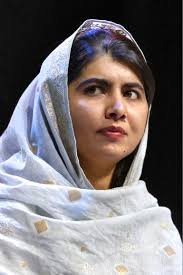
“One child, one teacher, one book, and one pen can change the world“. Malala Yousafzai
Malala’s father, Ziauddin Yousafzai, ran a school in Pakistan and raised her with the belief that her opinions mattered just as much as any boy’s. He let her speak freely, make decisions about her education, and even challenge local customs that limited girls’ rights. By empowering her choices early, he cultivated a young woman courageous enough to risk her life for the right to learn — and win the Nobel Peace Prize.
R: Resilience through struggle
“Persistence and resilience only come from having been given the chance to work through difficult problems.”
Life isn’t easy, and neither is heroism. Help your toddler experience safe failures. If they fall off the bike, resist the urge to rush in. Instead, say, “You’re strong. I know you’ll try again.” Teach them that setbacks aren’t shameful — they’re stepping stones. Psychology tells us resilience grows not from avoiding pain, but from learning to navigate it. Heroes rise because they’ve fallen first.
Example of Resilience Through Struggle: Bethany Hamilton
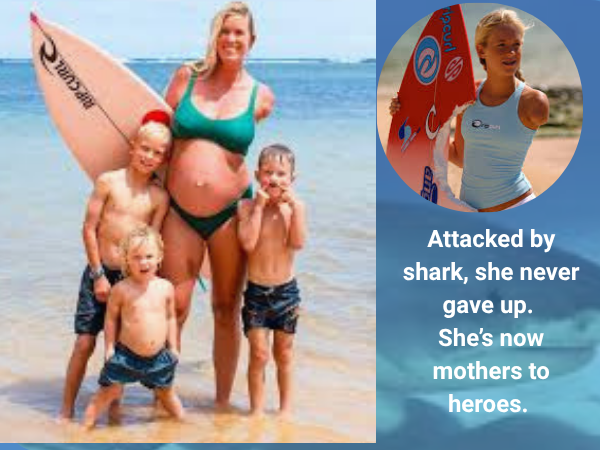
After losing her arm in a shark attack at age 13, surfer Bethany Hamilton faced unimaginable physical and emotional pain. Yet her family helped her see the experience not as a tragedy, but as a challenge to overcome. Through their faith, encouragement, and refusal to let her self-pity take over, Bethany built resilience that carried her back onto the surfboard — and into millions of hearts as a model of courage and determination.
O: Open their heart.
Empathy is the capability to understand and share the feelings, thoughts, and experiences of another person from their point of view, as if you were in their situation. there are three kind of empathy:
- Cognitive Empathy: The intellectual ability to understand another person’s mental state, thoughts, and perspective without necessarily feeling their emotions yourself. This is useful in professional settings.
- Emotional (or Affective) Empathy: The ability to literally feel what another person is feeling emotionally, due to a mirroring response in the brain. This can create deep bonds but can also lead to emotional overwhelm or burnout if not balanced.
- Compassionate Empathy: This combines both cognitive and emotional empathy with an added element: the motivation to take action to alleviate the other person’s suffering. This is often considered the most complete form of empathy, as it leads to active support
Empathy is a superpower. Encourage your kids to notice others’ feelings — the friend who looks sad, the neighbor who needs help. Volunteer as a family. Read stories that celebrate kindness and courage. Talk openly about emotions, including your own. When children understand compassion, they don’t just react to the world — they improve it.
“Empathy is seeing with the eyes of another, listening with the ears of another, and feeling with the heart of another.”— Alfred Adler
Example of Opening Their Hearts: Fred Rogers
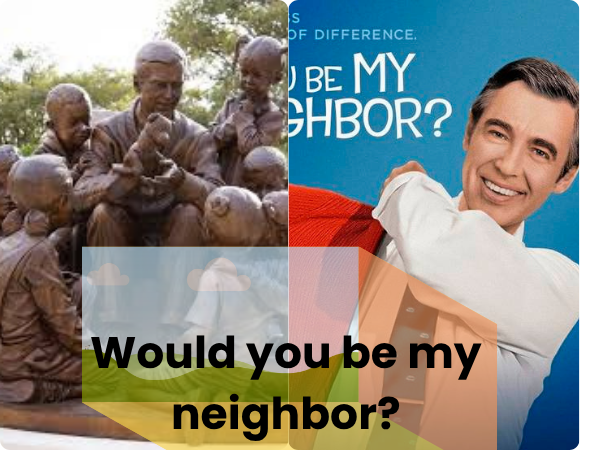
Fred Rogers, known lovingly as “Mister Rogers,” was raised in a family that modeled empathy. His parents encouraged emotional openness and compassion from an early age. Throughout his life, Rogers used television not for fame but as a tool to teach kindness and emotional intelligence to children. His calm, caring demeanor showed that true strength lies in gentleness — and that emotional literacy is a cornerstone of heroism.
E: Educate for Curiosity
In 1990, during his tour in the U.S Nelson Mandela gave a strong sentence about education: Education is the most powerful weapon which you can use to change the world”.
Feed their minds, not just their grades. Let them ask questions — even the uncomfortable ones. Encourage them to explore, invent, and imagine. Take them to museums, nature trails, or just the backyard. Curiosity builds critical thinking, and critical thinkers become leaders who innovate and inspire.

Example: As a child, Elon Musk’s curiosity often got him into trouble — taking apart electronics, coding at 10, and reading two books a day. But instead of punishing that curiosity, his mother, Maye Musk, nurtured it. She gave him freedom to explore and encouraged bold thinking. That curiosity eventually fueled some of the world’s most ambitious innovations — from electric cars to space exploration.
S: Serve Together
Altruism is the willingness to do things that bring advantage to others, even if sometimes if it sometimes results in disadvantage for yourself.
Every man must decide whether he will walk in the light of creative altruism or in the darkness of destructive selfishness,” said Martin Luther King.
Finally, serve. Heroes serve others without expecting applause. Whether it’s donating toys, helping at a local shelter, or simply making cookies for an elderly neighbor, service builds purpose. When children grow up knowing they can make a difference, they live with courage and conviction.
Example: Serve Together: José Andrés.
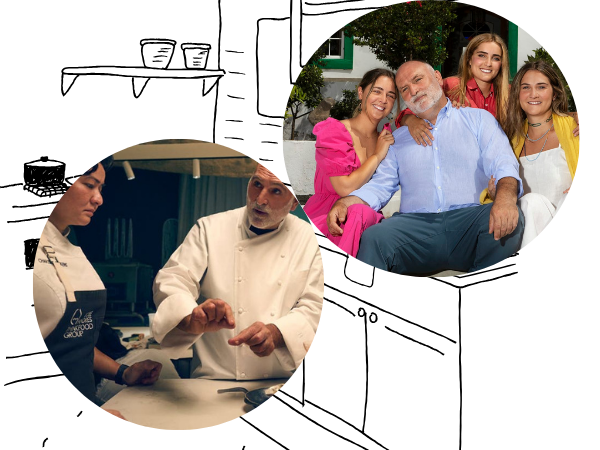
Chef José Andrés grew up in a family that valued community and generosity. His parents modeled service by cooking for others and helping neighbors. As an adult, Andrés founded World Central Kitchen, feeding millions in disaster zones and war-torn regions. He embodies the spirit of service — proving that kindness in action can heal and unite communities around the globe.
True to be told, these heroes prove that greatness begins at home. Each was raised in a way that nurtured their heart as much as their talent. Moms, take heart: You don’t have to raise a celebrity to raise a hero. By living the Heroes Framework by honoring, empowering, teaching resilience, empathy, curiosity, and service. You’re building the kind of character the world desperately needs. The next hero may already be sitting at your kitchen table.
Moms, you are the architects of tomorrow’s heroes. Every bedtime story, every patient conversation, every act of kindness you model — it’s all shaping someone extraordinary. You don’t need a cape. You just need consistency, love, and the belief that your child was born to make the world better. Start today. Honor, Empower, build Resilience, Open hearts, Educate curiosity, and Serve with love. That’s the Heroes Framework. And the world is waiting for your hero to arrive


