
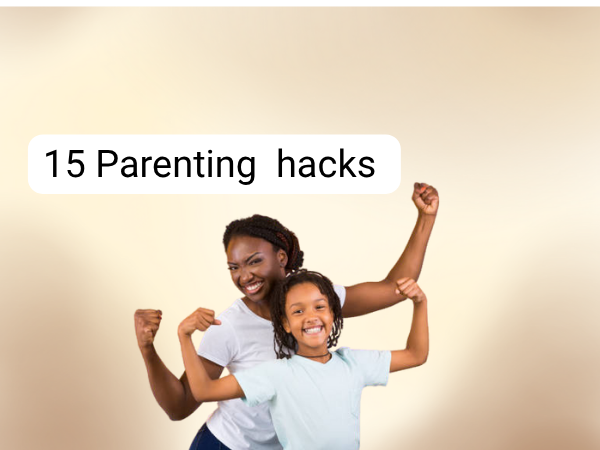
Raising a hero is all about raising a resilient child. Here is an inspiring story of Meria, a young mother who gently held her frightened child and said, “The wind may howl, the trees may bend—but together we stand, and together we’ll rise again.”
When morning came, the battered tree in their yard still stood, roots deep. The child learned that storms don’t define us—the love and calm we share do.
And so you, caring mother, can guide your child: bend when the wind blows, learn when branches snap, and always remember, you both will stand again. Raising a resilient child, one who can face challenges, adapt, and grow into a strong, compassionate, and capable adult doesn’t require perfection. It requires presence, patience, and perspective.
Below are 15 evidence-based parenting hacks
to raise a Resilient Child who is prepared to becomes a Hero! They are drawn from developmental psychology, attachment theory, and resilience research), each with practical examples and detailed guidance.
- Create a safe emotional base
Why it matters: A secure attachment builds confidence and resilience.
Hack: Be emotionally available — not perfect.
Example: When your child cries, instead of saying “Stop crying,” try “I see you’re upset. I’m here. Let’s take a deep breath together.”
This teaches emotional regulation and shows that emotions are safe to express.
Image child crying
2. Model resilience yourself.
Why it matters: Children learn how to respond to stress by watching you.
Hack: Let them see you handle difficulties calmly.
Example: If you spill something, say “Oops! That’s okay, I’ll clean it up,” instead of getting frustrated.
This shows problems can be solved, not feared.
Image: mother spill something
3. Encourage problem-solving
Why it matters: Independent problem-solving fosters confidence.
Hack: Instead of fixing everything, guide them to think.
Example: If your child says, “I can’t find my toy,” ask, “Where did you last see it? What could we do to find it?”
You’re training them to think critically and not give up easily.
Image: Child arranging a toy
4. Praise effort, not just success.
Why it matters: Children build resilience when they value persistence over perfection.
Hack: Focus on effort rather than outcome.
Example: Say, “You worked hard on that puzzle!” instead of “You’re so smart!”
This develops a growth mindset, helping them face challenges without fear.
image of Growth mindset
5. Let Them Experience Small Failures
Why it matters: Shielding kids from all frustration prevents resilience.
Hack: Allow small disappointments and guide recovery.
Example: If they lose a game, don’t rush to make them feel better immediately. Instead, ask, “What did you learn for next time?”
They learn to bounce back and not see failure as the end
Image: losing a game
6. Teach Emotional Vocabulary
Why it matters: Kids who can name emotions can manage them better.
Hack: Label emotions during daily life.
Example: “You look frustrated that the block tower fell. That’s frustration. What can we try now?”
This builds emotional intelligence — the backbone of resilience.
Image of list of emotional vocabulary.
7. Maintain Routines and Predictability
Why it matters: Consistent structure gives children a sense of safety and control.
Hack: Keep simple daily routines.
Example: Bedtime follows the same steps each night — bath, story, cuddle, sleep.
Predictability reduces anxiety and fosters trust in the world
Image of Child and mom in the bed
link: story book.
8. Encourage Empathy and Kindness
Why it matters: Compassion builds inner strength and connection.
Hack: Model kindness in small ways.
Example: Say “Let’s make a card for Grandma; she’ll feel happy.”
They learn that being kind is powerful — a true heroic trait
Image a child sharing with power
Book: about empathy or kindness
9. Teach Self-Calming Techniques
Why it matters: Emotional regulation prevents meltdowns and builds resilience.
Hack: Practice calm-down strategies together.
Example: When upset, breathe in like you’re smelling a flower, breathe out like blowing a candle.
Over time, they’ll use this naturally to manage stress.
Image of Mother her child meditating
10. Give Age-Appropriate Responsibilities
Why it matters: Responsibility builds competence and self-worth and confidence.
Hack: Assign small tasks.
Example: Let your toddler put napkins on the table. Praise the effort.
They feel capable and valued, which increases confidence.
Child doing manual work
11. Encourage Curiosity and Exploration
Why it matters: Socrates once said: Intelligence starts with curiosity. Curiosity strengthens problem-solving and adaptability.
Hack: Say “Let’s find out together” instead of “Don’t touch that.”
Example: When they ask “Why does it rain?” explore it with a book or video.
Encourages lifelong learning and bravery to explore the unknown.
Mother and child doing research
12. Balance Freedom and Boundaries
Why it matters: Being kind does not mean to allow everything. Kids thrive with both structure and independence.
Hack: Offer limited, safe choices.
Example: “Do you want to wear the red shirt or the blue one?”
This gives them control within safe boundaries, building decision-making skills.
Mother asking a child a shirt to wear.
13. Celebrate Kind of “Small Hero” Moments
Why it matters: We all need compliments! Recognizing courage and kindness motivates repeat behavior.
Hack: Name and praise acts of bravery or compassion.
Example: “You helped your friend when she fell — that was very kind and brave.”
They internalize heroic values — empathy, courage, and service.
14. Foster Optimism and Gratitude
Why it matters: We are living in a stressful World. Optimistic children cope better with stress.
Hack: Make gratitude a habit. teach them to recognize effort.
Example: At bedtime, ask “What’s one good thing that happened today?”
Builds positive thinking, resilience, and emotional strength.
an child being gratitude
15. Be Their Safe Haven — Always
Why it matters: A child who knows they’re loved unconditionally can face the world bravely.
Hack: Reassure through connection, not perfection.
Example: After a hard day, say “No matter what happens, you can always come to me.”
This sense of security is the foundation of a resilient and heroic spirit.
a mother hagging her toddler.
conclusion.
Resilience isn’t about being tough all the time — it’s about learning to recover, adapt, and stay kind through challenges.
As a young mother, you don’t need to know everything. Your warmth, consistency, and willingness to grow alongside your child are more powerful than any book or degree
Bonus
- Resilience is not fixed at birth
- Supportive adult–child relationships matter a great deal
- Skill-building (especially self-regulation/executive function) is central.
- Biological & environmental systems interact
- Timing and dose matter
- Multiple systems (individual, family, community) are involved.
- Physical activity and other “non-emotional” factors matter.
- Adversity can be mitigated, not just avoided.